General Summary
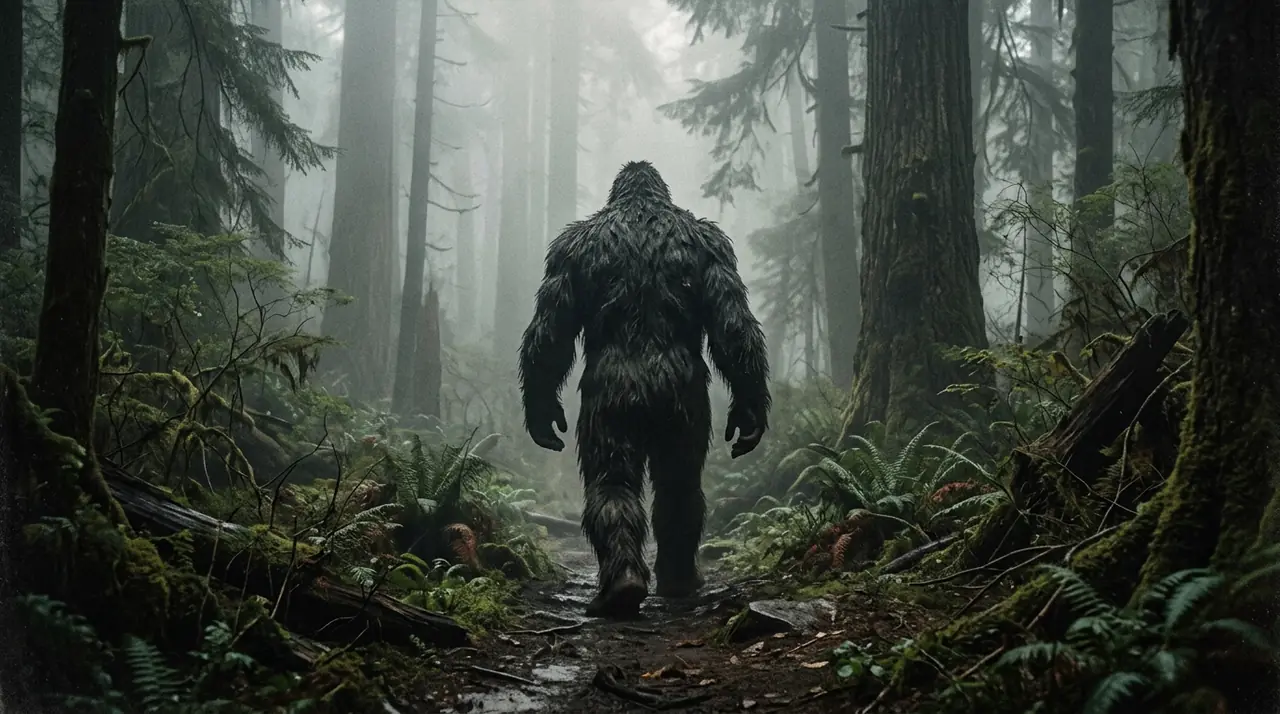
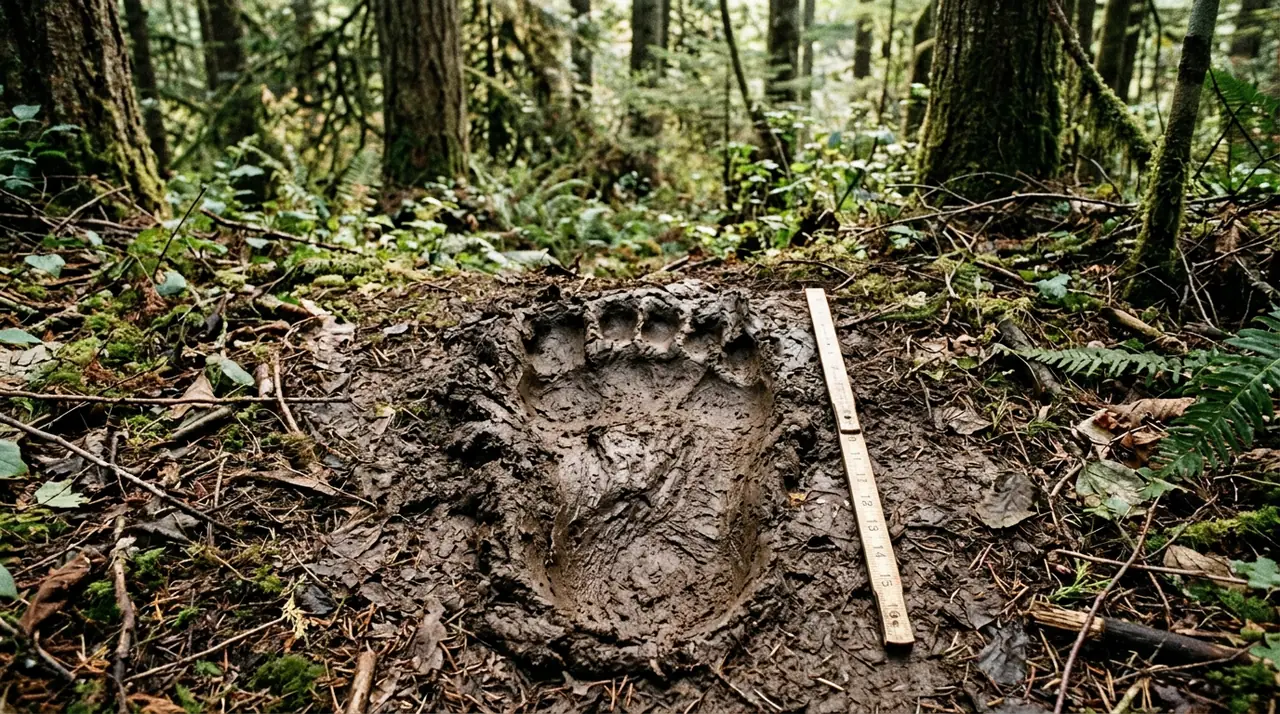
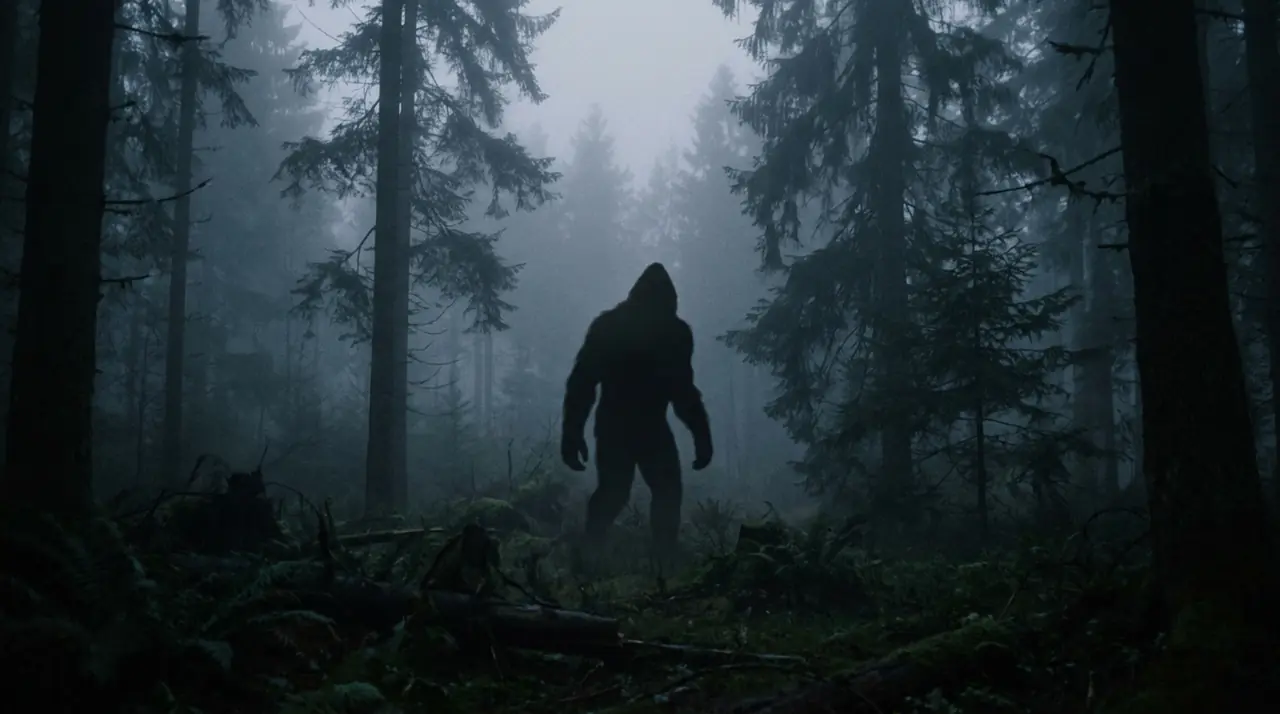
Bigfoot (also known as Sasquatch) is the belief that a large, hairy, bipedal hominid inhabits remote forests of North America, especially the Pacific Northwest. Descriptions typically include a tall, muscular, ape-like figure covered in dark hair, with footprints far larger than a human’s. Proponents point to footprint casts, the famous 1967 Patterson–Gimlin film, alleged vocalizations and wood-knocks, hair samples, and thousands of eyewitness reports from hunters, hikers, and residents. Skeptics argue that no body, type specimen, or definitive physical evidence has ever been produced, and that many famous cases—including the 1959 Bluff Creek tracks that helped launch the modern phenomenon—were later exposed as hoaxes (e.g., carved wooden feet). The creature is often portrayed in popular culture as elusive and harmless—“probably libertarian and just wants to be left alone”—and is a flagship topic in cryptozoology.
What is cryptozoology? Cryptozoology literally means “the study of hidden animals,” from the Greek kryptos (hidden) and zōion (animal). It is the search for and study of animals whose existence is disputed or unsubstantiated by mainstream science—creatures that appear in folklore, native traditions, and eyewitness accounts but have not yet been formally described by zoology. These sought-after animals are often called cryptids. The field took shape in the 1950s with figures like Belgian zoologist Bernard Heuvelmans (On the Track of Unknown Animals) and Scottish biologist Ivan T. Sanderson. Cryptozoologists typically rely on historical documents, sighting reports, footprint and hair analysis, and audio evidence rather than type specimens or peer-reviewed discovery. Mainstream science generally regards cryptozoology as a pseudoscience because it does not follow the standard scientific method and often depends heavily on testimony and circumstantial evidence. Bigfoot sits alongside the Loch Ness Monster, the Yeti, and the Chupacabra as one of the best-known cryptids; believers often frame it as a relict hominid or undocumented primate, while critics treat it as a cultural and psychological phenomenon.
Related "Conspiracies"
Categorization
Additional Resources

Top YouTube/Rumble Videos
- Bigfoot Proof: Undeniable Evidence & Secrets They're Hiding (Full Documentary)
- Bigfoot Exists. I'll Prove It in 30 Minutes.
- We Found Bigfoot
- New Evidence That Bigfoot Is Real | The Sasquatch Files | Full Bigfoot Documentary
- Bigfoot Bob: Mysterious Sightings, Paranormal Phenomena, Encounters in the Wild | Ep 5
Top Websites
- Bigfoot Field Researchers Organization (BFRO) – Sightings database and research
- Sasquatch Science – Data-driven field research (physical, audio, ecological evidence)
- North American Wood Ape Conservancy – Encounter Reports – Classified encounter database
- North American Wood Ape Conservancy – Methodology – Research methods and criteria
- TexLa Cryptozoological Research Group – Regional research (East Texas, SE Oklahoma, Louisiana)
'Debunking' Attempts
- Is Bigfoot Dead? – Skeptical Inquirer
- Bigfoot – The Skeptic's Dictionary – Skepdic.com
- Duplicating Bigfoot Duplicity – Skeptical Inquirer
- Exposing Roger Patterson's 1967 Bigfoot Film Hoax – Skeptical Inquirer
- If Bigfoot Were Real – Scientific American (Tetrapod Zoology)
Top Tweets
- Twitter search: #bigfoot
- Twitter threads about Bigfoot (ThreadReaderApp)
- Washington State DOT “Sasquatch spotted” (Sherman Pass) – coverage (original tweet referenced in article; X post may be found via @wsdot or @wsdot_east)