General Summary
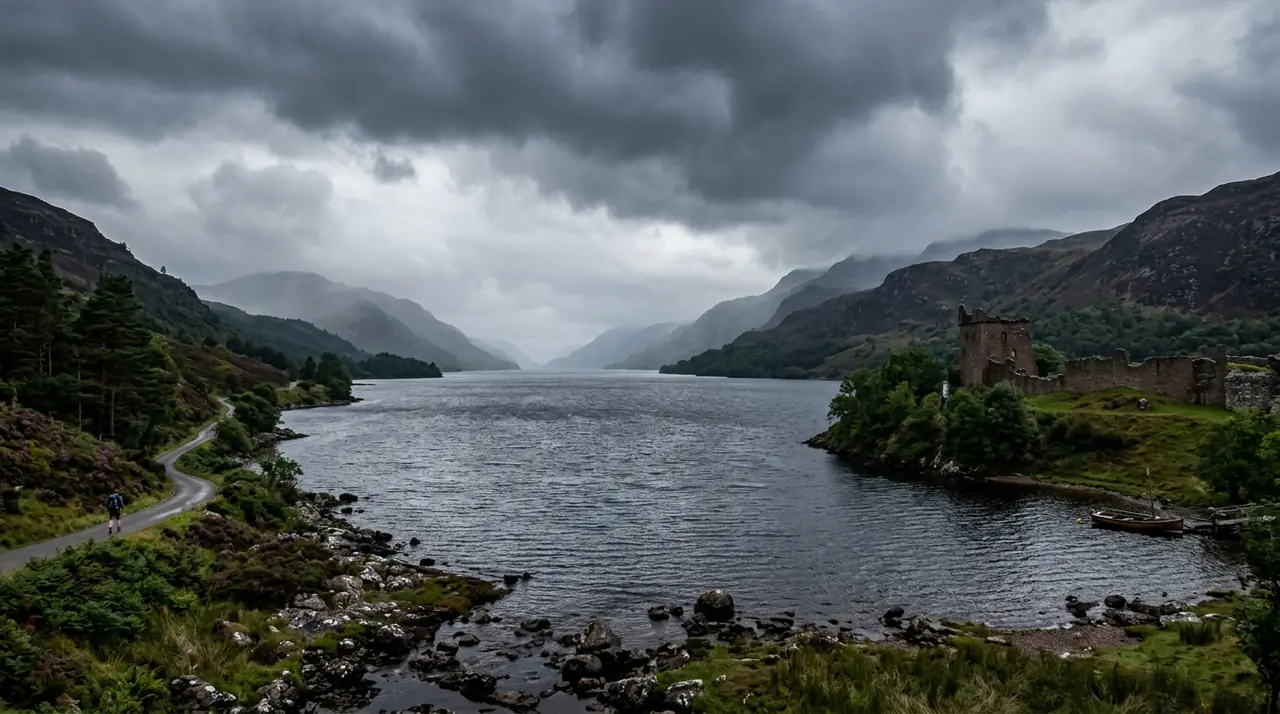
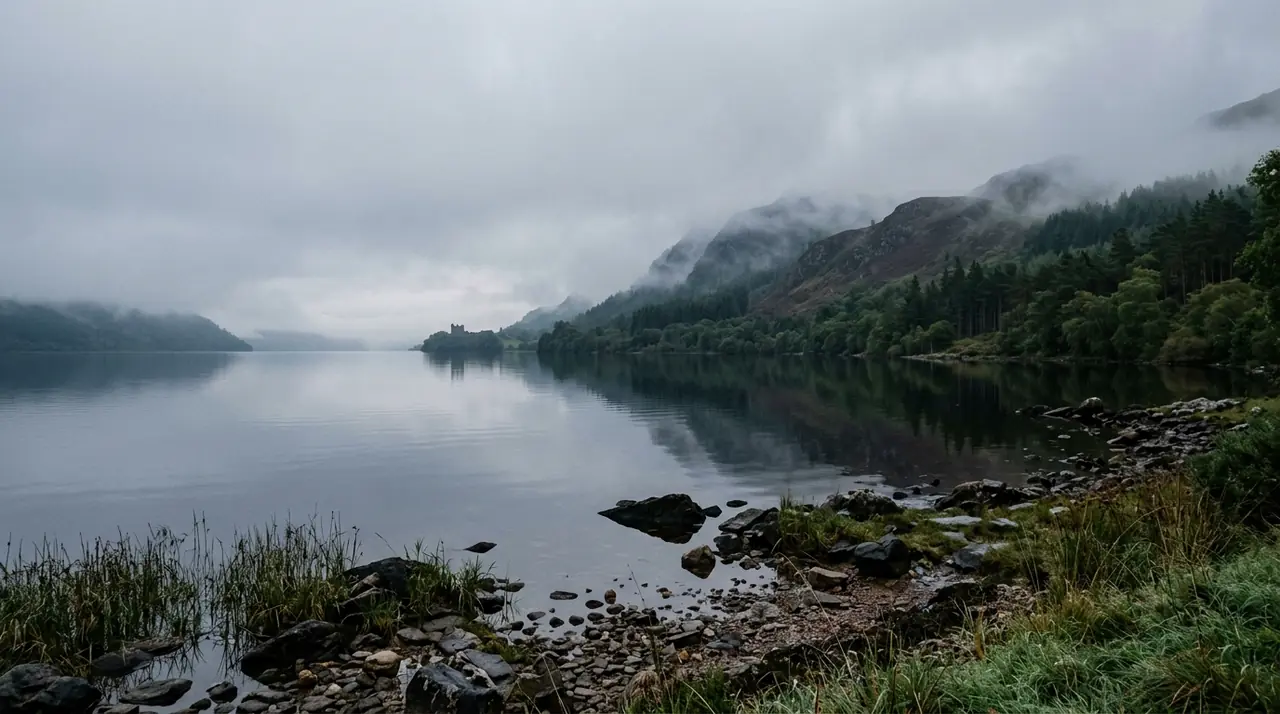
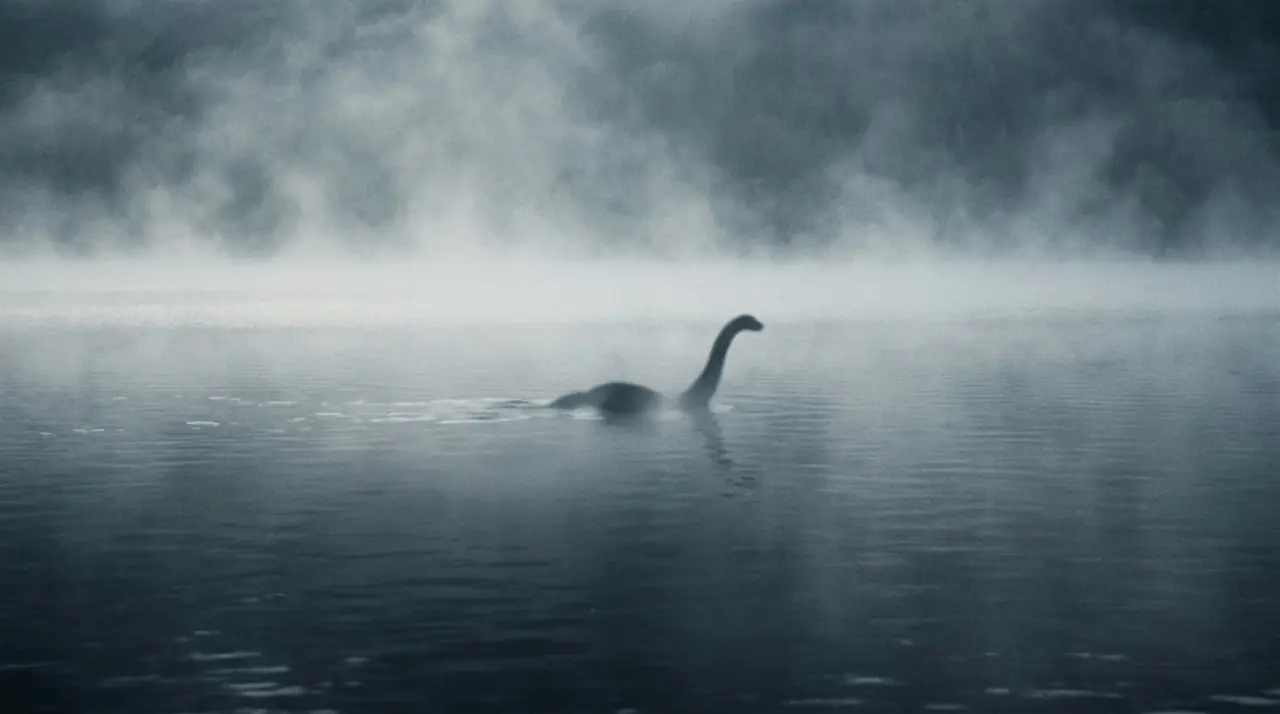
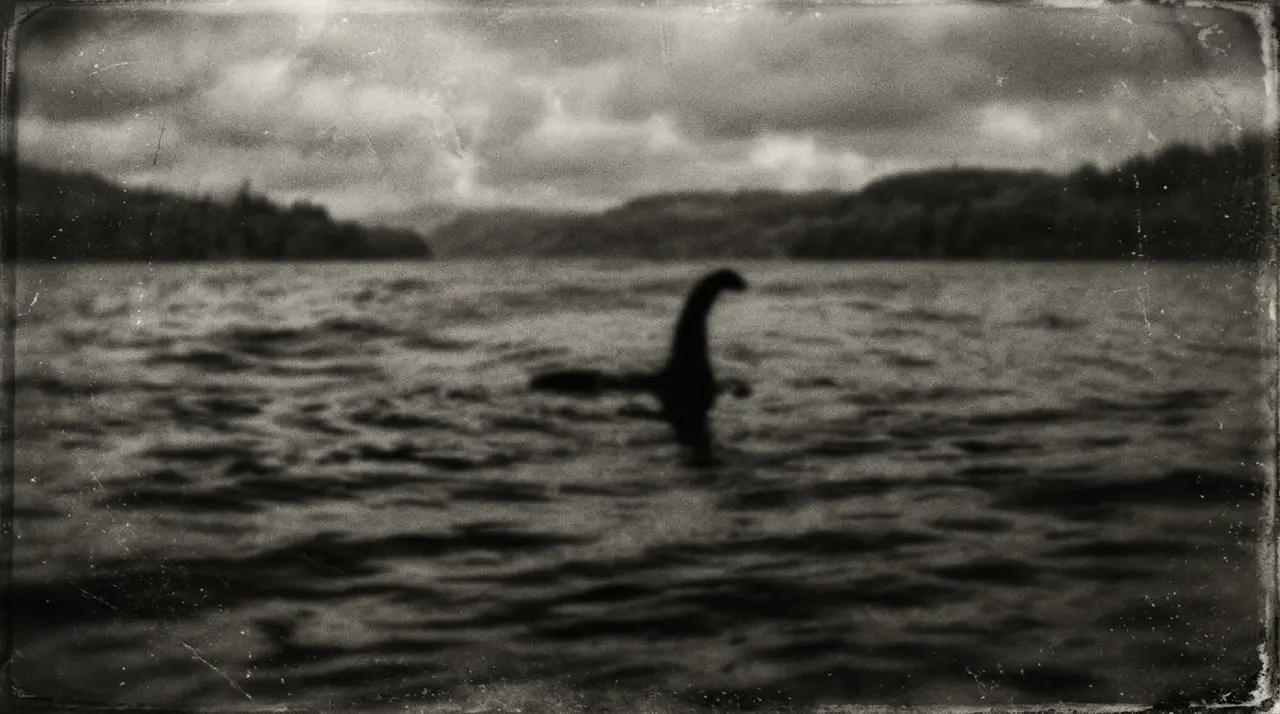
The Loch Ness Monster (or Nessie) is the belief that a large, unknown creature—often described as dinosaur-like, long-necked, or plesiosaur-like—inhabits Loch Ness in the Scottish Highlands. As the site puts it: “Ancient dinosaur stuck in a lake. Who is incredibly camera shy.” Sightings and folklore date back centuries; the modern phenomenon took off after the 1933 road along the loch was built and reports increased. Believers point to photographs (e.g. the 1934 “surgeon’s photo”, later admitted to be a hoax), film (e.g. Tim Dinsdale’s 1960 film), sonar contacts, and environmental DNA (eDNA) studies. Scientific reviews have generally concluded that the Dinsdale film and similar evidence are inconclusive or explainable (e.g. boats, logs, waves); a 2019 eDNA survey by Neil Gemmell found no evidence of large unknown animals, though it did not definitively “disprove” Nessie for die-hard believers.
The theory fits X-Files: an unexplained phenomenon, outside human control, whose confirmation would mean a new form of life. It overlaps with Bigfoot, crop circles, and other cryptid or paranormal narratives.
Related "Conspiracies"
- Bigfoot
- Crop Circles
- UFOs
- X-Files
Categorization
Additional Resources
Top YouTube/Rumble Videos
- Loch Ness Monster: New Evidence – Sky / discovery+
- Loch Ness documentaries
- Loch Ness: They Created a Monster (2023)
- Neil Gemmell eDNA study
Top Websites
- Legend of Nessie – evidence and analysis
- Loch Ness Monster: New Evidence – discovery+
- Official Loch Ness Monster site
- Loch Ness Project – Adrian Shine and research
- Wikipedia – Loch Ness Monster – overview and debunking
'Debunking' Attempts
- Legend of Nessie – Evidence analysis – Dinsdale film and photo critique
- Loch Ness eDNA project – no evidence of large unknown species – Neil Gemmell
- Smithsonian / BBC – Loch Ness – search “Loch Ness” for skeptical coverage
Top Tweets